
Nickel
Corrosion-Resistant Alloy Solutions
Nickel (Ni) is commonly found in the Earth’s crust in minerals like pentlandite, garnierite, and nickeline. It is usually extracted through pyrometallurgical and hydrometallurgical processes.
Product Overview
What is Nickel?
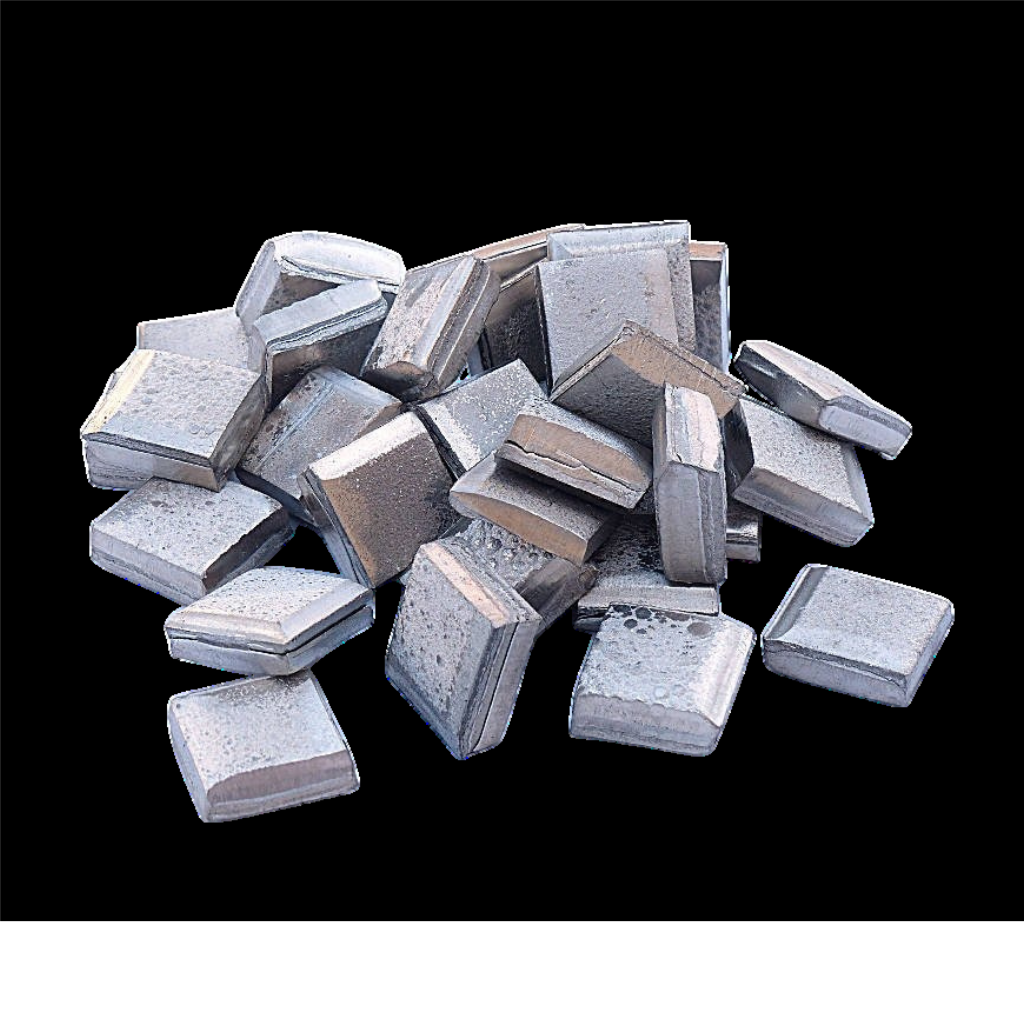
Nickel is a versatile, silvery-white metallic element (Ni, atomic number 28) known for its strength, corrosion resistance, and ability to withstand high temperatures. It is primarily used in the production of stainless steel and superalloys, and increasingly in electric vehicle batteries.
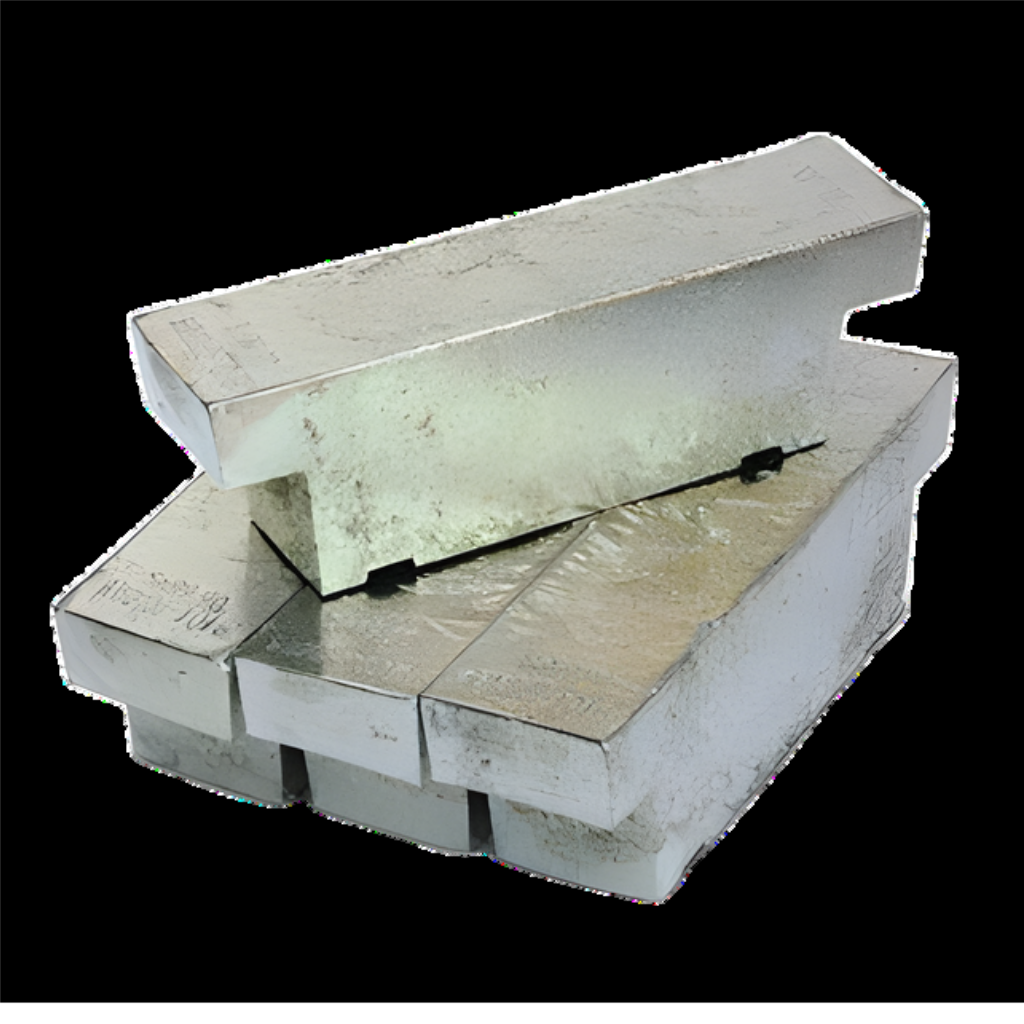
- Appearance: Lustrous, silvery-white metal with a slight golden tinge.
- Physical Characteristics: Hard, malleable, ductile, and a good conductor of heat and electricity.
- Magnetic Properties: One of only four elements that are ferromagnetic at or near room temperature.
- Resistance: Highly resistant to corrosion and oxidation, even at high temperatures.
Quick Specifications
(High melting point)
Available Forms
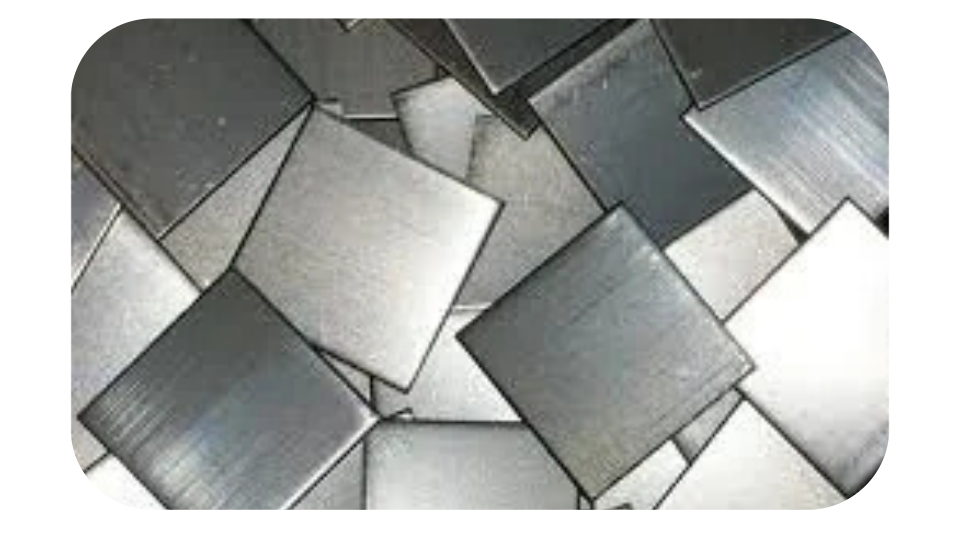
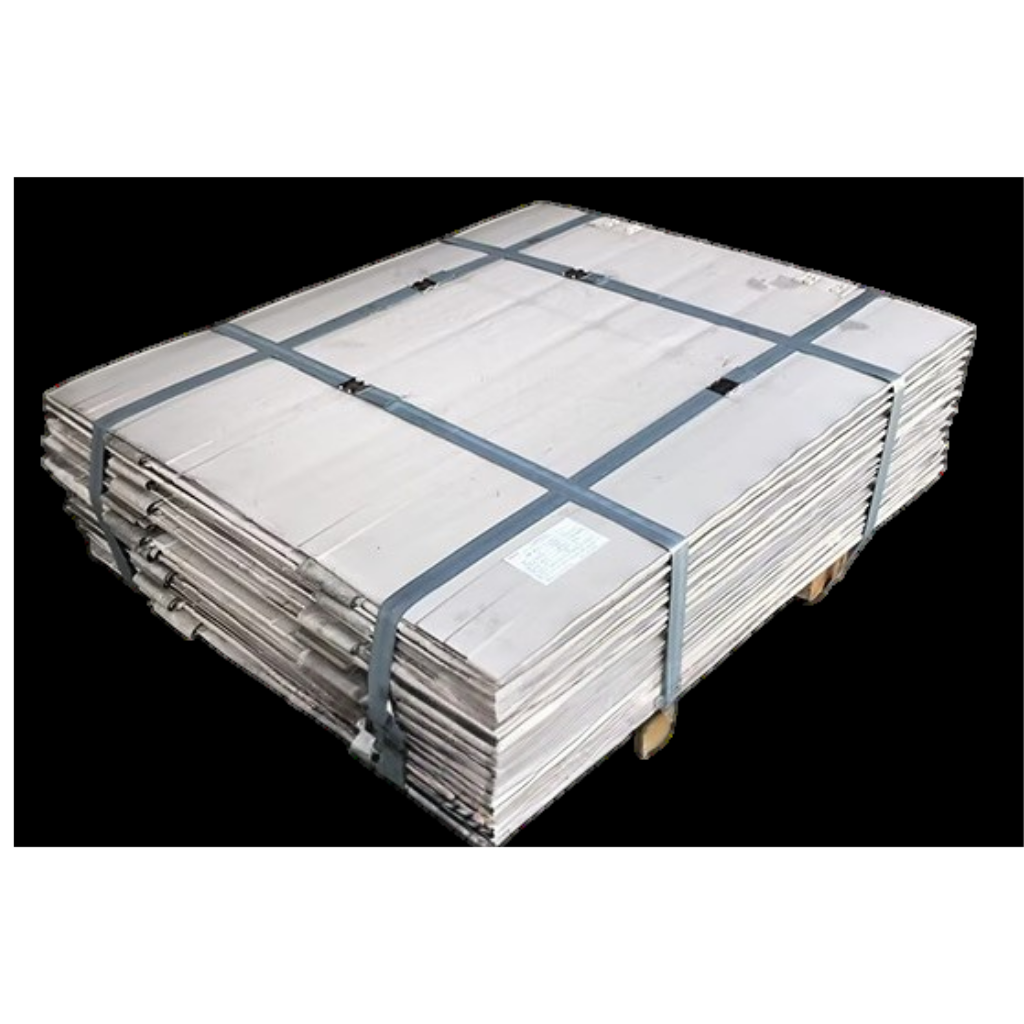
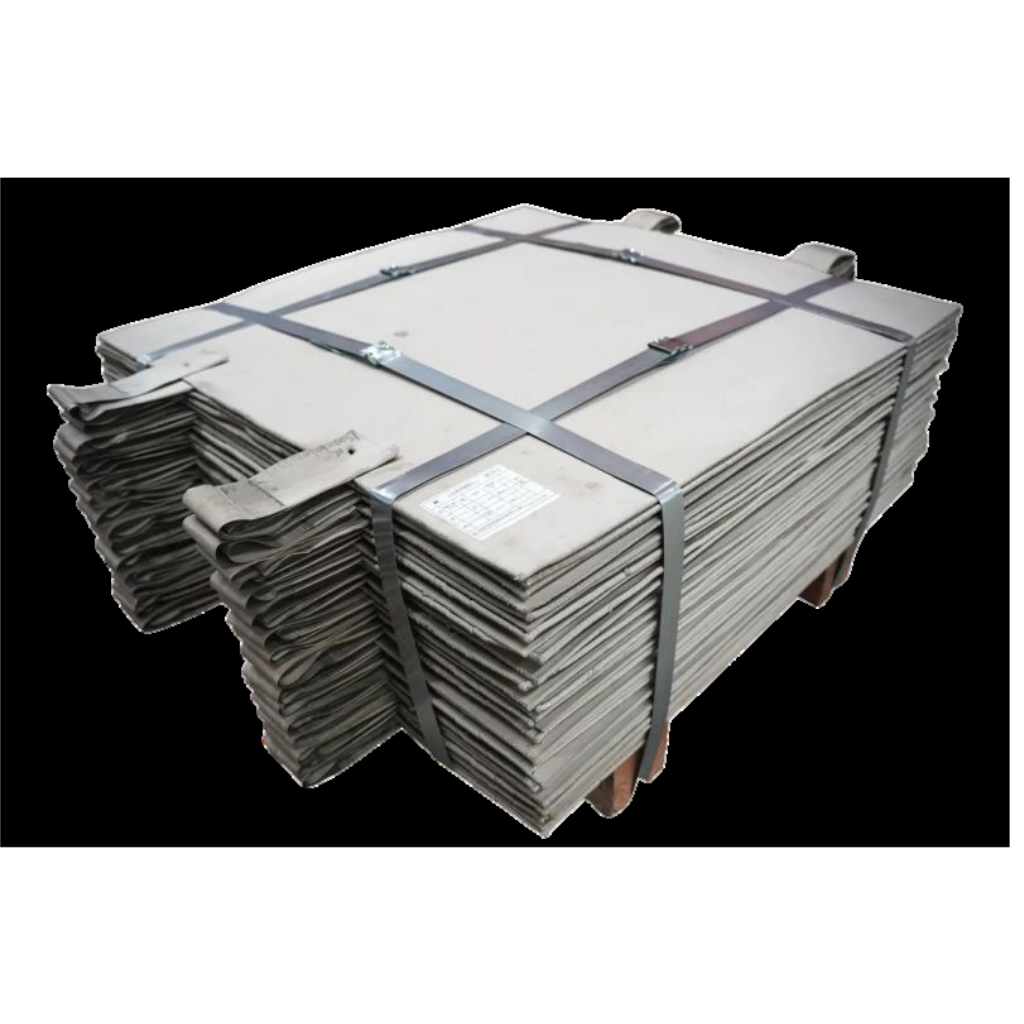
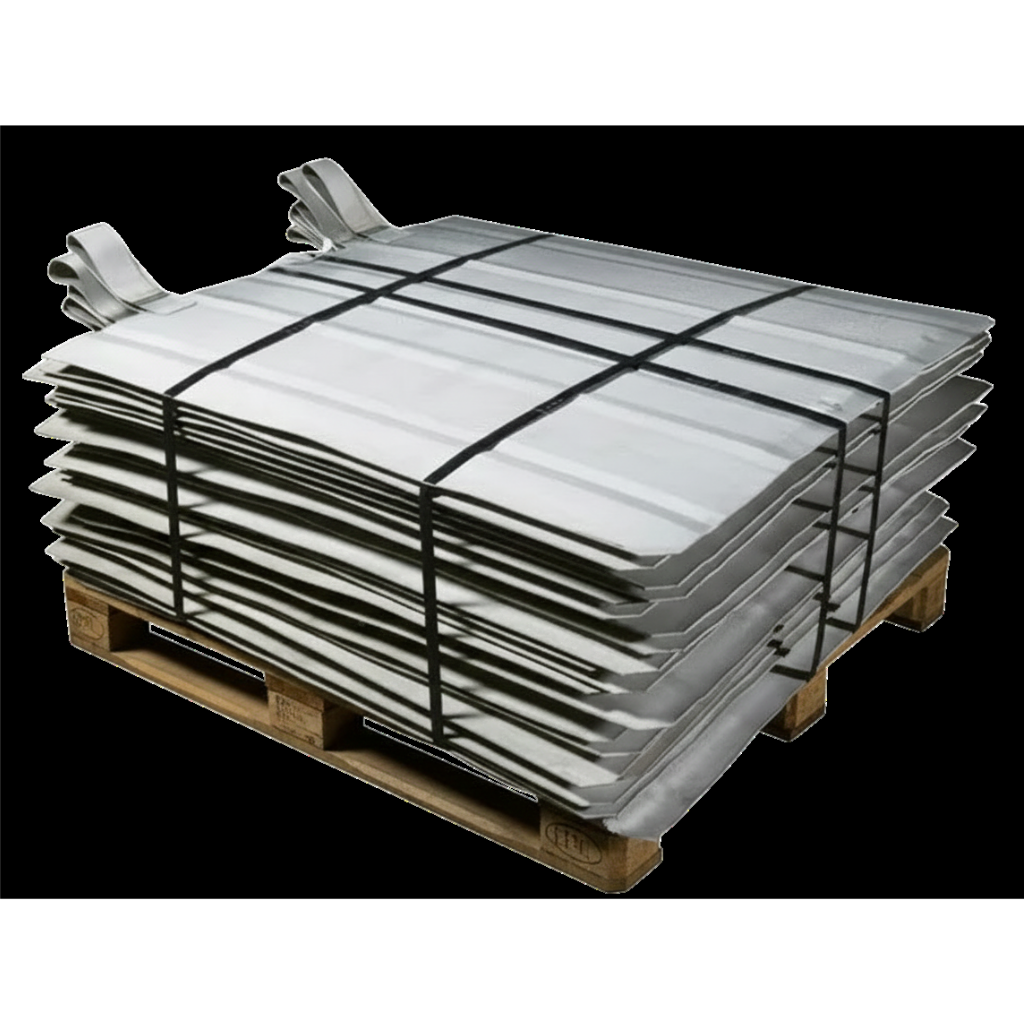
Nickel Cathodes
Refined nickel sheets
used for alloying and plating.
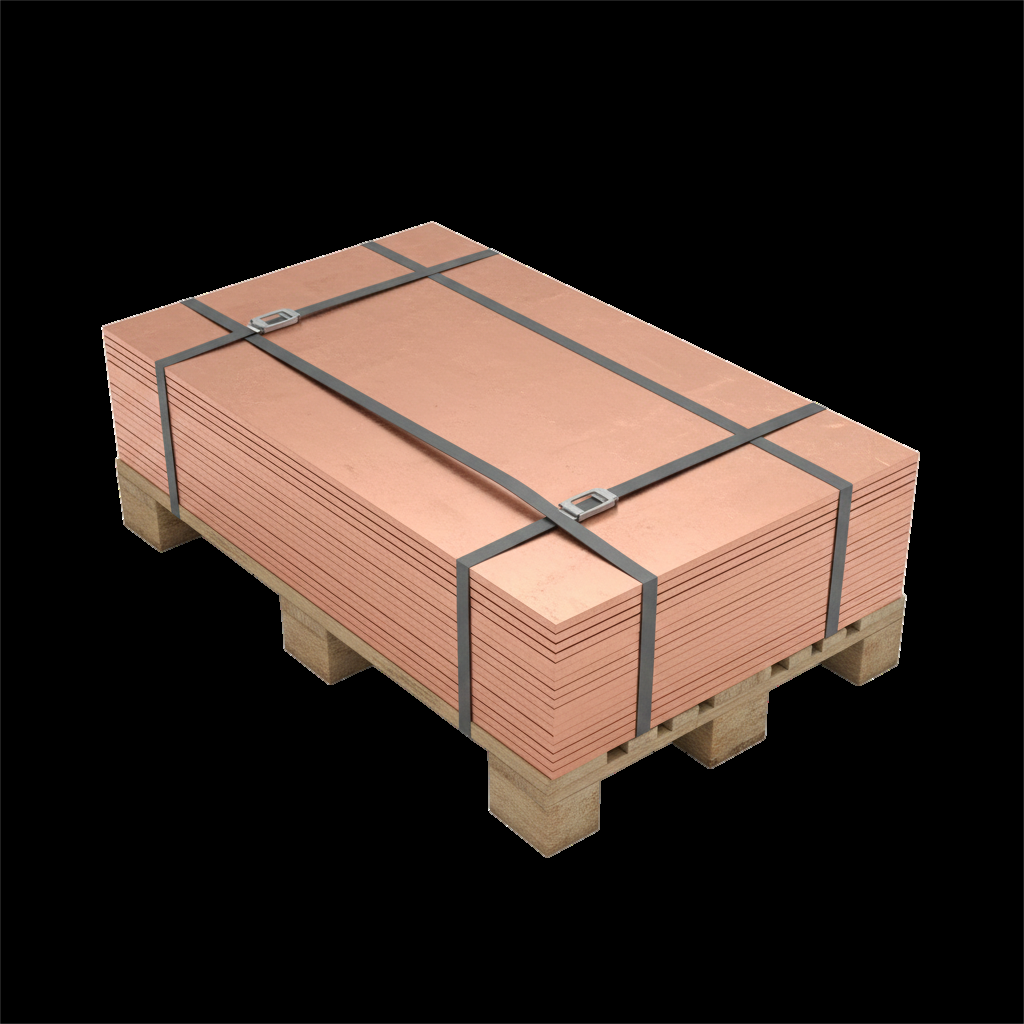
Nickel Cathodes
High-purityFormed through electrolytic refining of nickel, yielding high-purity flat rectangular plates.
Applications
Nickel is everywhere around us — from the stainless steel in your kitchen to the batteries in your phone. Some of its most important uses are:
Stainless Steel
Around 70% of all nickel goes into stainless steel, making it strong, rust-resistant, and durable.
Alloys
Forms superalloys used in jet engines, turbines, and aerospace components due to heat and corrosion resistance.
Batteries
A key component in rechargeable batteries, especially nickel-cadmium (Ni-Cd), nickel-metal hydride (NiMH), and lithium-ion batteries for electric vehicles (EVs).
Electroplating
Provides a shiny, corrosion-resistant coating on tools, jewelry, machinery, and household items.
Electronics
Nickel is used in sensors, relays, and as a catalyst in chemical reactions.
Coins
Durable and long-lasting, nickel alloys have been used in coinage across the world.
Chemical Industry
Nickel compounds are used as catalysts in hydrogenation and other industrial chemical processes.
Technical Specifications
| Grade | Nickel Content | Impurities | Form | Applications |
|---|---|---|---|---|
| Nickel 99.9 | 99.9% min | 0.1% max | Cathodes | General purpose, electroplating |
| Nickel 99.95 | 99.95% min | 0.05% max | Cathodes, Pellets | Stainless steel, high-grade alloys |
| Nickel 99.98 | 99.98% min | 0.02% max | Powder, Pellets | Aerospace, electronics |
| Carbonyl Nickel | 99.9% min | CO < 0.1% | Powder | Powder metallurgy, catalysts |
| Electrolytic Nickel | 99.95% min | S < 0.01% | Cathodes | Battery manufacturing |
| Nickel Briquettes | 99.8% min | 0.2% max | Briquettes | Foundry, steel making |
Need Premium Nickel Solutions?
Get expert consultation, competitive quotes, and reliable delivery for all your nickel requirements. Our team provides comprehensive technical support for your specific applications.