
Premium Tin
Superior Soldering & Coating Solutions
Tin (Symbol: Sn, Atomic Number: 50) is a silvery-white metal that is soft, malleable, and corrosion-resistant. It is mainly obtained from the mineral cassiterite (SnO₂). Tin is not very reactive, which makes it useful in a variety of applications.
Product Overview
What is Tin?
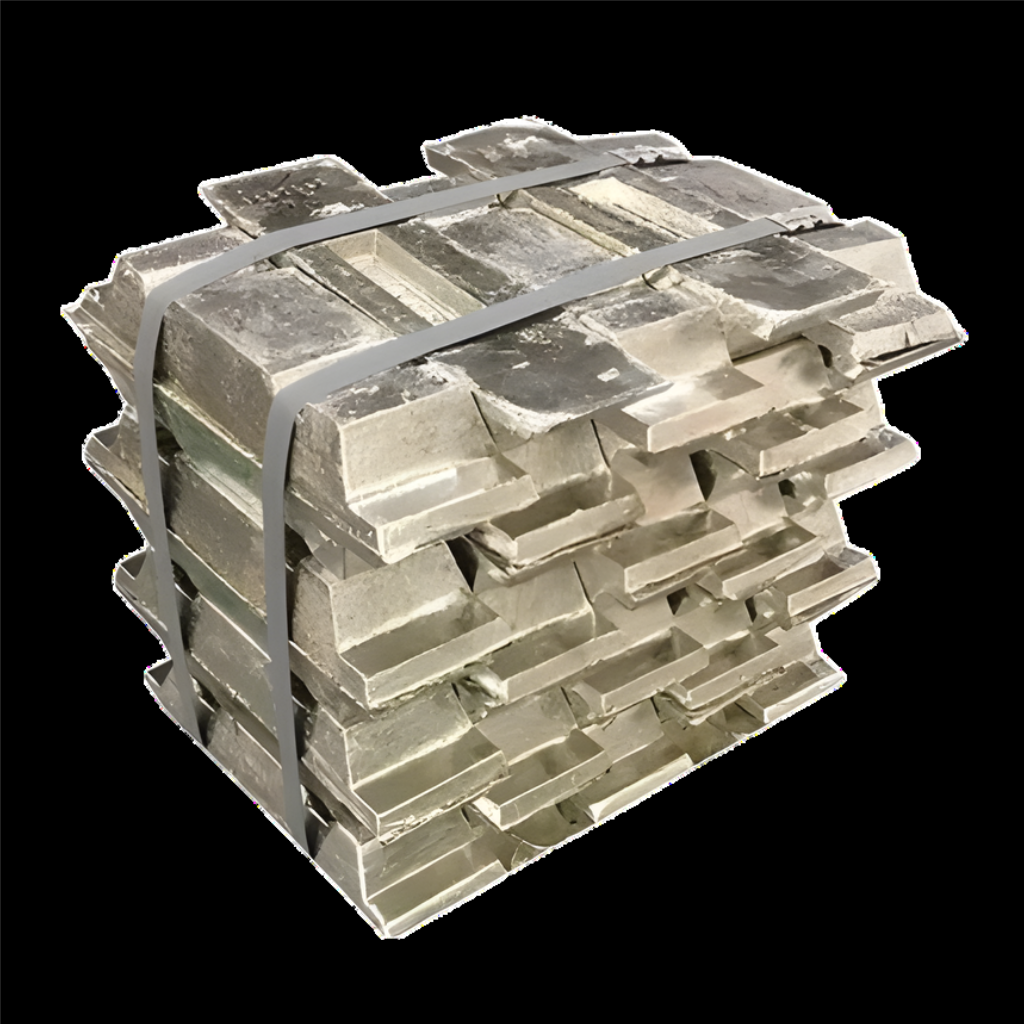
Tin ingots are blocks of refined, pure tin metal that serve as a crucial raw material across diverse industries due to their exceptional corrosion resistance, malleability, and non-toxic properties. They are typically cast into shapes that allow for convenient storage, transportation, and industrial processing.
- Appearance: A silvery metal with a faint yellow or bluish-white hue.
- Physical Characteristics: Soft enough to be cut easily, highly malleable and ductile, and crystalline in structure.
- Melting Point: Relatively low at approximately 232°C (449.6°F).
- Chemical Properties: Excellent resistance to oxidation and rust (corrosion resistance), non-toxic, and produces very little residue when melted.
Quick Specifications
(Typically range)
Available Forms
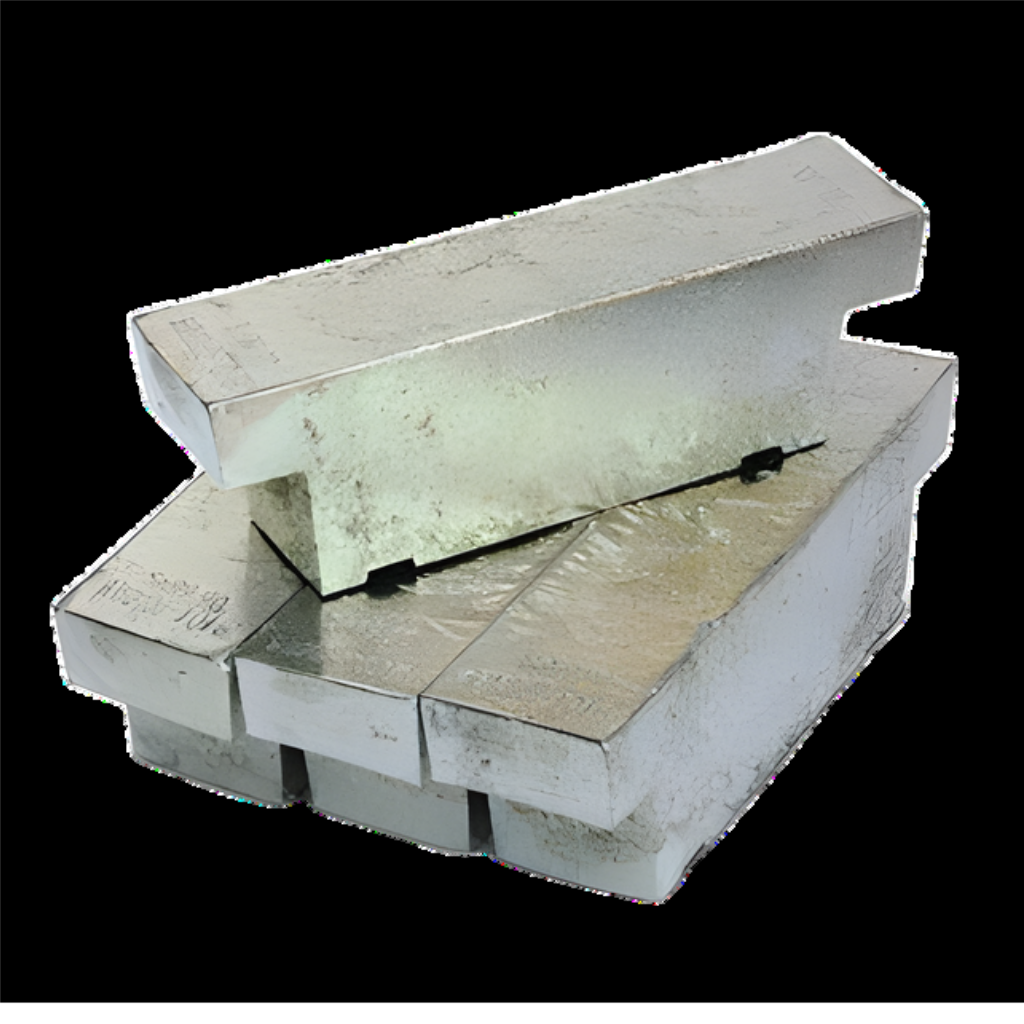
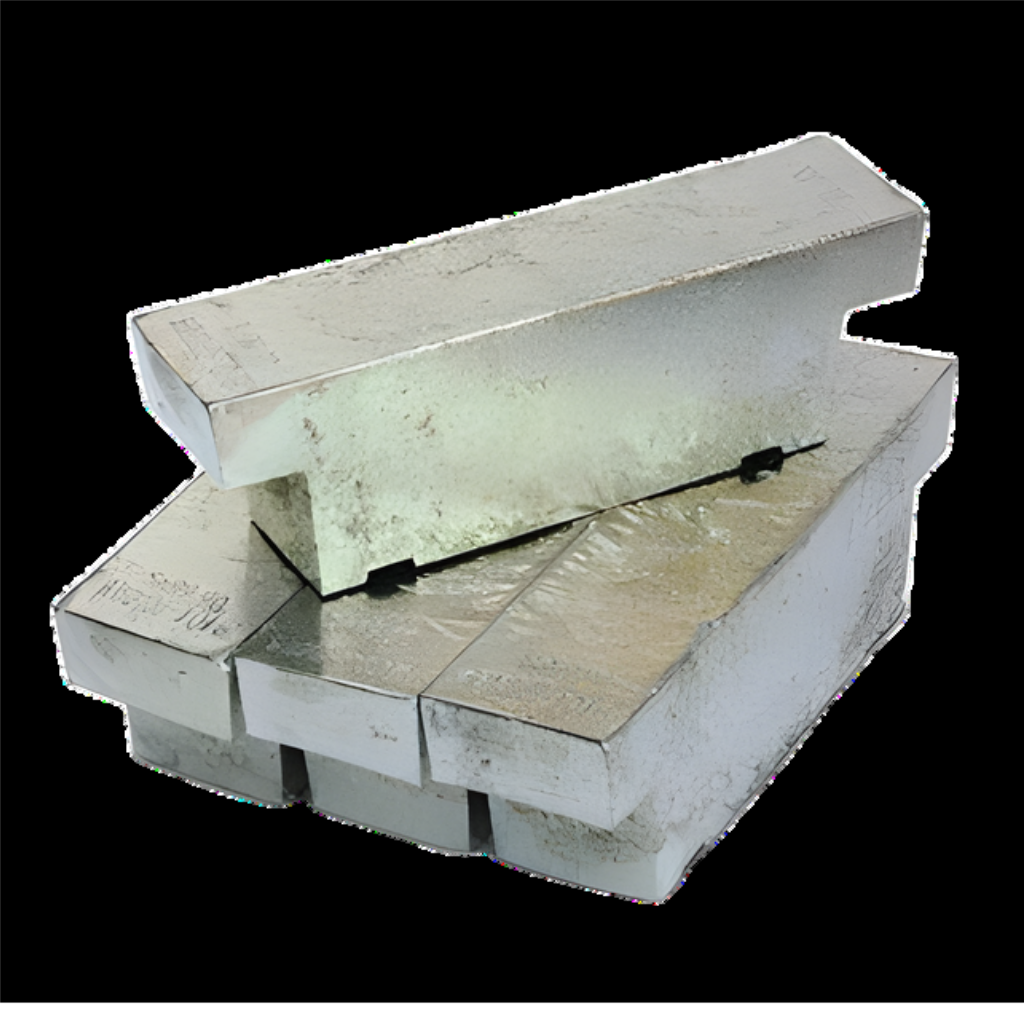
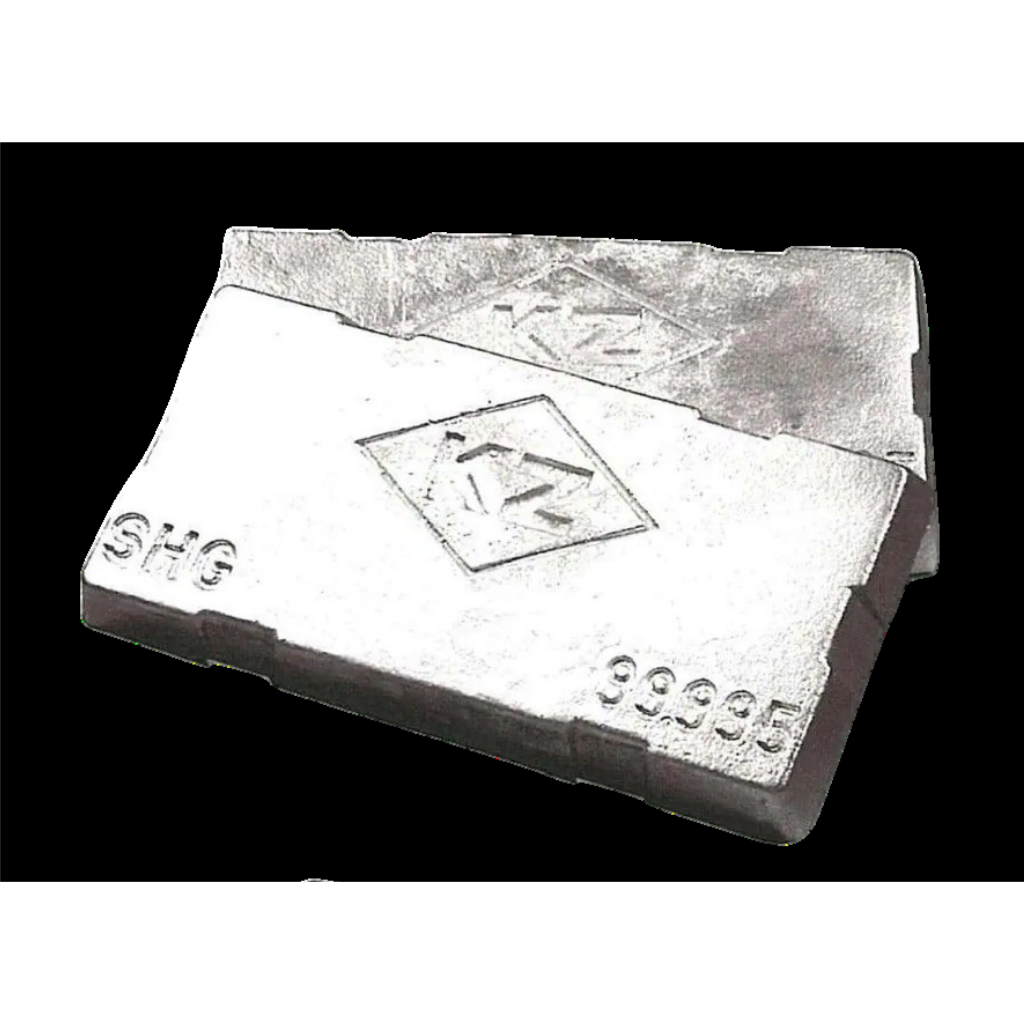
Tin Ingots
Dense solid blocks of high-purity tin
Tin Ingots
99.9%+Applications: Soldering, tin plating, tinplate, chemical catalysts, alloy-making (e.g., bronze, pewter), packaging cans.
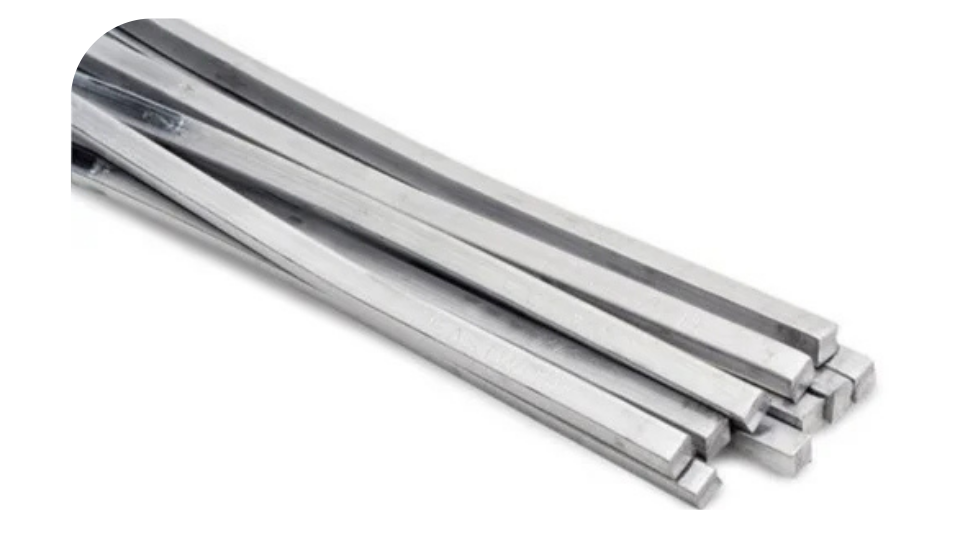
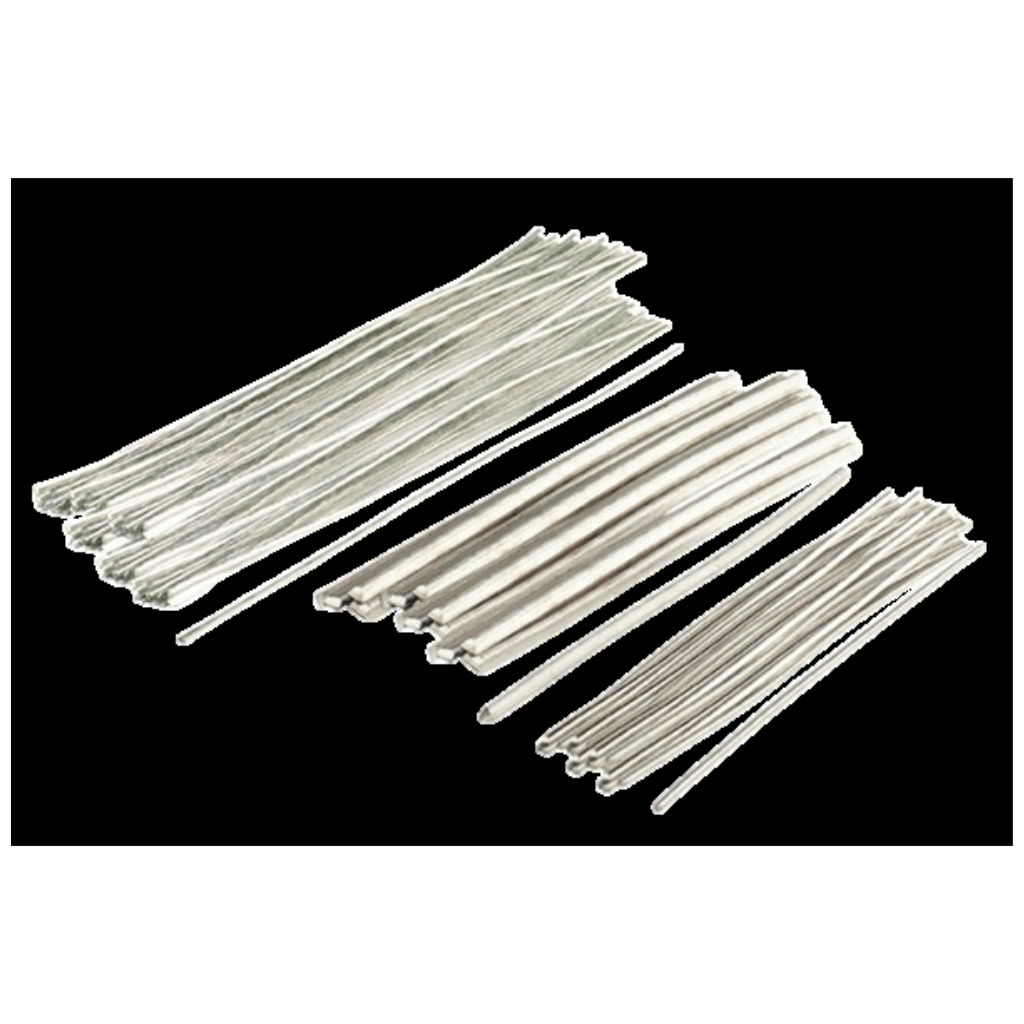
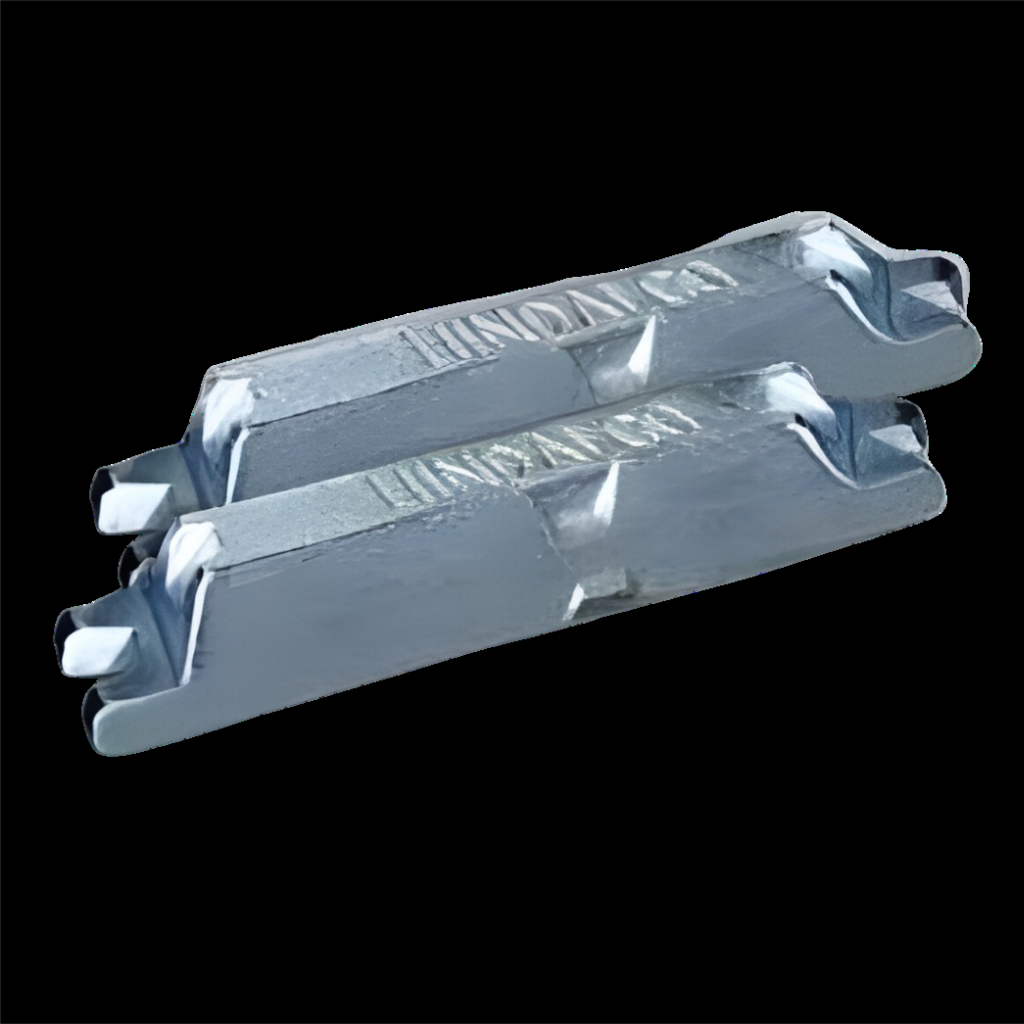
Tin Sticks
Rod-shaped tin used in soldering and coating
Tin Sticks
Solder sticks/plating feedApplications: Electrical/electronics soldering, repair work, alloy feeding, coating applications in metalwork.
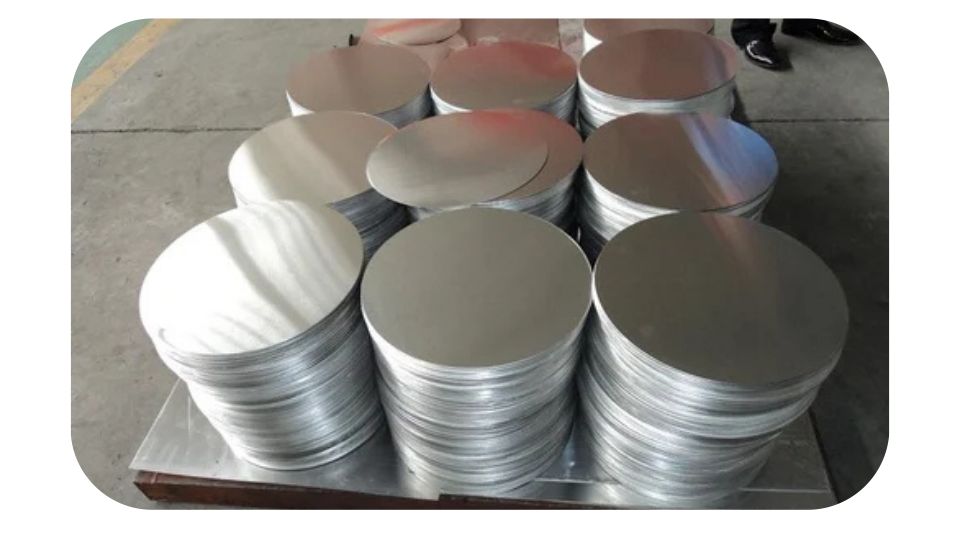
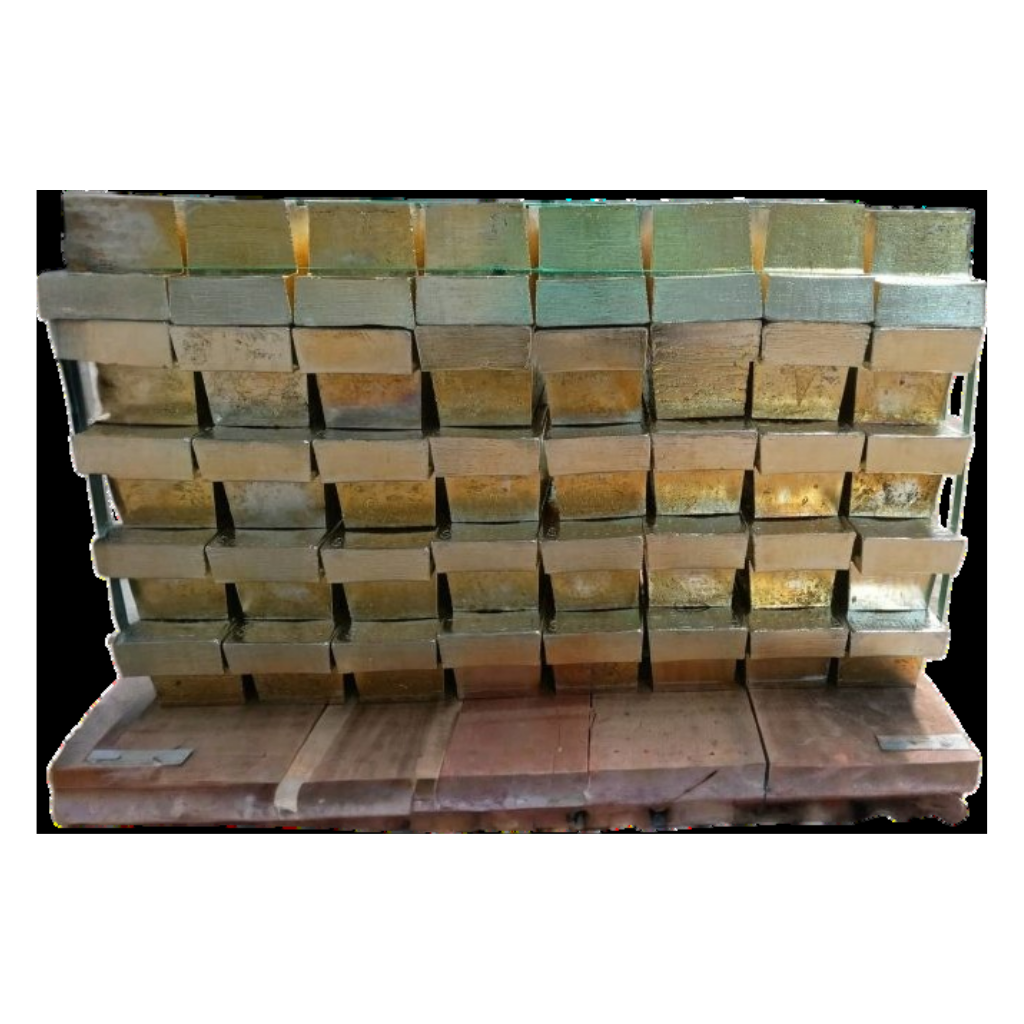
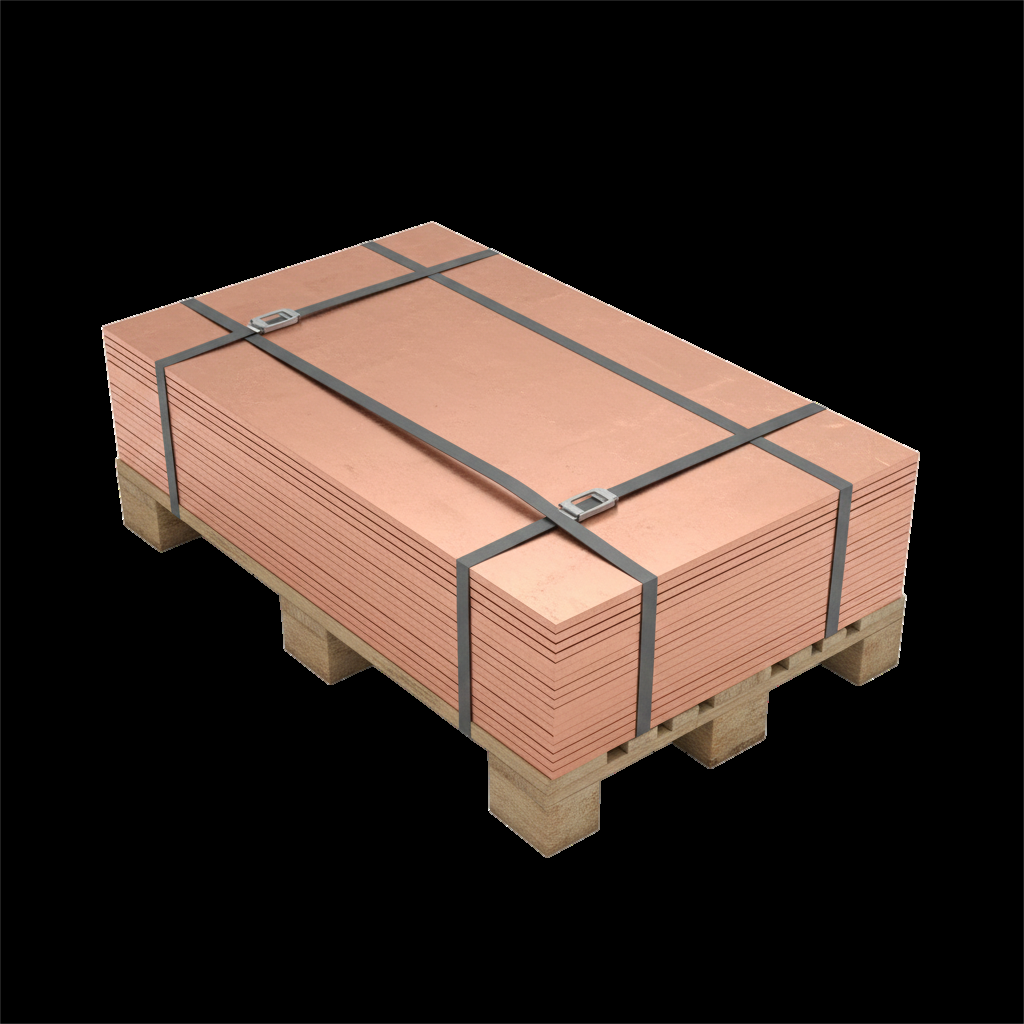
Tin Plates
Steel sheets with protective tin coating
Tin Plates
Thin steel sheets coated with tinManufactured by electrolytically coating steel sheets with thin layers of refined tin
Applications
Tin may not be as flashy as gold or as strong as steel, but it is everywhere in our lives:
Soldering (Electronics)
The largest use of tin today; tin-lead or lead-free solders join electrical components, making modern electronics possible.
Alloys
Bronze (copper + tin) gave birth to the Bronze Age; pewter and bearing metals still rely heavily on tin.
Coatings (Tin Plating)
Tin coats steel to prevent rust, especially in food packaging (tin cans).
Chemicals & Compounds
Tin compounds are used in PVC stabilizers, fire retardants, glass coatings, and pigments.
Energy Storage
Emerging role in lithium-ion batteries (as tin-based anodes for higher performance).
Technical Specifications
| Grade | Tin Content | Impurities | Melting Point | Applications |
|---|---|---|---|---|
| Tin 99.9 | 99.9% min | 0.1% max | 232°C | General purpose, soldering |
| Tin 99.95 | 99.95% min | 0.05% max | 232°C | Electronics, high-grade applications |
| Tin 99.99 | 99.99% min | 0.01% max | 232°C | Precision electronics, aerospace |
| Sn60/Pb40 | 60% Sn, 40% Pb | - | 183-190°C | General soldering, plumbing |
| Sn63/Pb37 | 63% Sn, 37% Pb | - | 183°C | Electronics, eutectic solder |
| SAC305 | 96.5% Sn, 3% Ag, 0.5% Cu | - | 217-220°C | Lead-free electronics |
Need Premium Tin Solutions?
Get expert consultation, competitive quotes, and reliable delivery for all your tin requirements. Our team provides comprehensive technical support for your specific applications.